
Waking up to a chilly house when it's cold outside is a real bummer. If your furnace isn't turning on, it can feel like a big problem. But before you call for expensive repairs, take a deep breath. A lot of times, the reason your furnace isn't working is something simple you can check yourself. This guide will walk you through the most common issues and help you figure out if it's a quick fix or time to call in a pro.
Key Takeaways
- Check your thermostat settings to ensure it's set to 'Heat' and the temperature is high enough. For digital thermostats, try replacing the batteries.
- Locate and check your furnace's main power switch, often found on the side of the unit or a nearby wall, and ensure it's in the 'On' position.
- Inspect and clean or replace your furnace's air filter. A clogged filter is a common cause of furnace issues and can lead to overheating.
- For gas or oil furnaces, confirm the gas valve is open and, on older models, check if the pilot light is lit. If you smell gas, leave the area immediately and call for help.
- If basic checks don't solve the problem, or if you hear strange noises, smell odd odors, or notice frequent cycling, it's time to call a professional HVAC technician.
Check The Furnace Power And Thermostat Settings
When your furnace decides to take a break, the first place to look is often the simplest: power and settings. Before you start thinking about complex mechanical failures, let's cover the basics. It's surprising how often a furnace isn't working simply because a switch was flipped or the thermostat is confused.
Verify Thermostat Is Set To Heat
This might sound obvious, but double-check that your thermostat is actually set to "Heat." Sometimes, in the rush of changing seasons, it can get accidentally switched to "Cool" or "Off." Also, make sure the temperature setting is at least five degrees higher than the current room temperature. If it's set too low, the thermostat won't signal the furnace to turn on. For programmable thermostats, ensure you haven't accidentally set a schedule that overrides your current needs. You can find more information on how programmable thermostats work if you have one.
Replace Thermostat Batteries
Many modern digital thermostats rely on batteries to keep their settings and communicate with the furnace. If the thermostat's screen is blank or dim, or if it's showing a low battery warning, this is a prime suspect. Replacing the batteries is a quick fix that can get your heat back on without needing a service call. It’s a good idea to replace them at least once a year, even if they don’t seem low.
Locate And Check The Furnace Power Switch
Most furnaces have a dedicated power switch, often resembling a standard light switch, located on or near the unit itself. It might be on the side of the furnace or on a nearby wall. This switch can sometimes be turned off accidentally, especially during cleaning or if someone mistakes it for a light switch. Make sure this switch is in the "On" position. If you're unsure which switch it is, it's usually clearly labeled or positioned close to the furnace's main components.
It's always a good idea to turn your thermostat to "Off" before checking the furnace power switch or any other components. This prevents the furnace from unexpectedly starting up while you're inspecting it, which is important for your safety.
Inspect The Furnace Airflow
Your furnace needs to be able to 'breathe' properly to heat your home. If the airflow is blocked, it can cause all sorts of problems, from the furnace shutting down to not heating effectively. It's a pretty common reason why a furnace might act up.
Clean or Replace The Air Filter
A dirty, clogged air filter is probably the most frequent offender when it comes to furnace issues. When it's packed with dust and gunk, it really restricts how much air can get into the unit. This makes the furnace work way harder than it should, and it can even cause the heat exchanger to get too hot. As a safety feature, the furnace will shut itself off to avoid damage or a fire.
Here's how to check it:
- Locate the filter compartment on your furnace. It's usually a slot on the side or front.
- Carefully slide out the old filter. Don't force it if it's stuck.
- Hold the old filter up to a light. If you can't see light through it, it's definitely time for a new one.
- Slide in a new, clean filter of the correct size. You can usually find the size printed on the side of the old filter.
Replacing a dirty filter with a clean one often solves the problem right away.
Ensure Vents and Registers Are Unblocked
Take a walk around your house and check all the vents where warm air comes out (supply registers) and the grilles where air gets sucked back into the furnace (cold air returns). Make sure nothing is blocking them. Things like furniture, rugs, curtains, or even piles of toys can get in the way. Proper air circulation is key for the whole system to work the way it's supposed to. If they're blocked, the air can't get where it needs to go, and your furnace might struggle.
Examine The Fuel Source For Gas Or Oil Furnaces
If your furnace isn’t coming on, sometimes the answer is right at the source. No fuel equals no heat—plain and simple. Whether you’ve got a gas or oil furnace, a few checks can help you figure out if your system is even getting the fuel it needs to start up.
Confirm The Gas Valve Is Open
For homes with gas furnaces:
- Find the gas line running to your furnace. Look for a shut-off valve (usually a small lever handle).
- The handle should line up with the pipe (parallel). If it’s at a 90-degree angle (perpendicular), it’s off.
- Gently move the lever to the ON position if it’s off.
- If you smell gas at any point, don’t try to turn the furnace back on. Leave the house and contact your utility company.
Here’s a quick table on what the gas valve position means:
| Position | Gas Flow | What To Do |
|---|---|---|
| Parallel | ON | Good to go |
| Perpendicular | OFF | Turn ON if safe |
Check The Pilot Light On Older Models
Some older gas furnaces use a pilot flame instead of electronic ignition systems. Here’s what to do:
- Look for a small window or panel near the bottom of the furnace.
- Open the panel and peek inside for a small blue flame.
- If you don’t see a flame, the pilot may be out.
- Most units have instructions on relighting the pilot right on the inside panel—follow these exactly.
- If the pilot won’t stay lit or you notice a smell of gas, call a professional.
For oil furnaces:
- Check the gauge on your oil tank. If it’s very low or empty, that’s your answer.
- Listen for the burner trying to start. No sound at all could mean a clogged oil filter or an empty tank.
- Some models have a reset button on the blower or burner assembly. Press it once, but don’t keep resetting—it’s not safe.
- Look out for any oil smells or visible leaks. If you spot these, don’t use the system until it’s checked by a technician.
If your system suddenly shuts off after trying to start, it could be a sign of a bigger problem with fuel delivery or ignition. If basic steps don’t work, get a pro involved before things get worse—safety first.
Troubleshoot Electrical Issues
Sometimes, the reason your furnace isn't kicking on has to do with the electricity it needs to run. It's not always a complicated wiring problem; often, it's something simple that's been overlooked.
Reset the Circuit Breaker
Your furnace, like most appliances, is connected to your home's electrical system through a circuit breaker. If there's been a power surge or the system draws too much power for a moment, the breaker can
Recognize When To Call A Professional
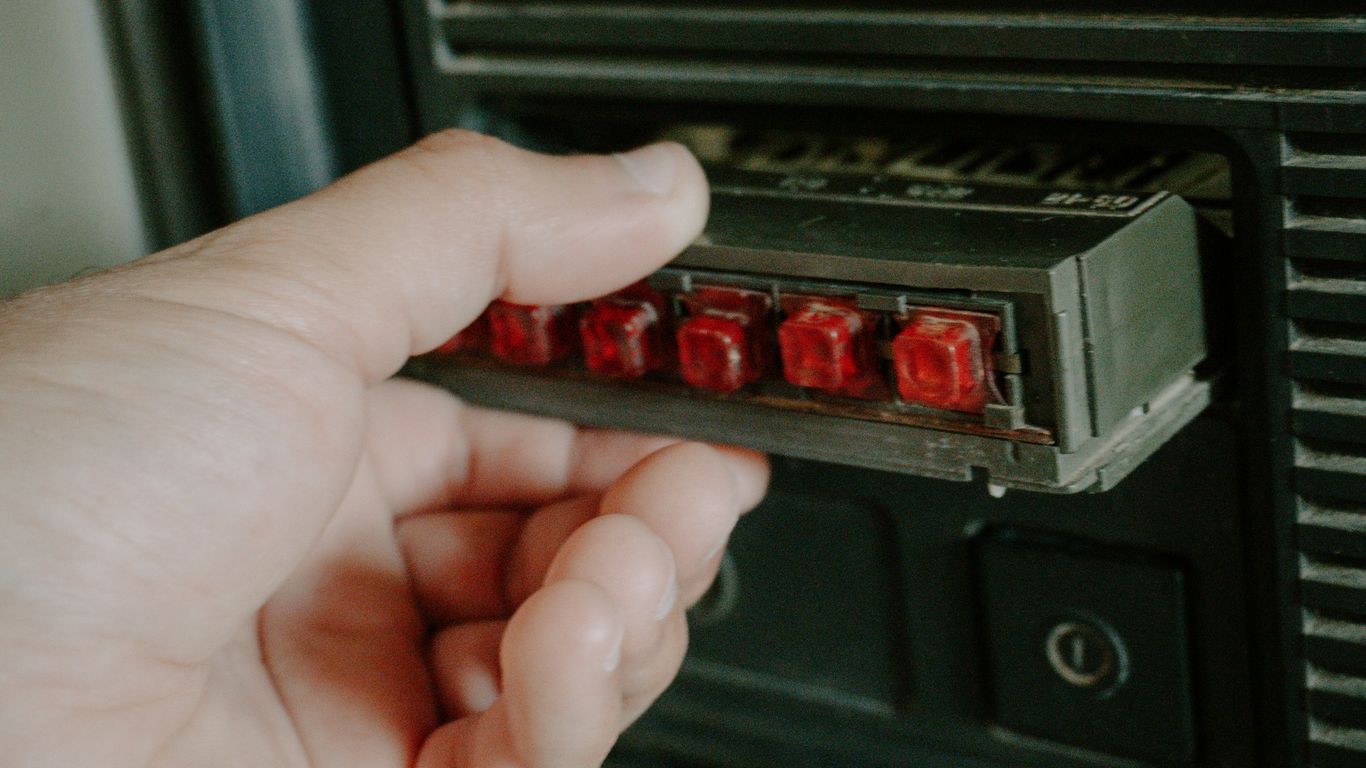
So, you've gone through the basic checks, changed the filter, adjusted the thermostat, and maybe even checked the circuit breaker. If your furnace is still giving you the cold shoulder, it's probably time to admit that this is beyond a quick DIY fix. Trying to push further could actually make things worse, or even create safety risks. That’s when it’s best to call in an experienced HVAC team like Performance Based Heating and Air to properly diagnose the issue and restore comfort to your home.
Listen For Strange Noises
Your furnace shouldn't sound like a marching band practicing in your basement. If you're hearing unusual noises, it's a pretty clear sign something isn't right. Loud banging or popping sounds when the system starts could point to delayed ignition. High-pitched squealing may indicate a failing motor or worn belt. Grinding or scraping noises are even more serious and can signal major mechanical problems.
If you hear grinding or scraping sounds, shut the system down and contact the team at Performance Based Heating and Air right away to help prevent further damage.
Identify Unpleasant Smells
Most of the time, you shouldn't smell much from your furnace at all, maybe just a faint dusty smell the very first time you turn it on for the season. But if you're noticing a persistent burning smell, or worse, the scent of melting plastic or electrical wires, that's a big red flag. It could mean a motor is overheating or there's an electrical problem brewing. The most dangerous smell, though, is that of natural gas, which is often described as rotten eggs. If you ever smell gas, get everyone out of the house right away and call your gas company and an HVAC professional. Don't try to find the source yourself.
Address Frequent Cycling Issues
Is your furnace acting like a nervous teenager, turning on for a minute, shutting off, and then immediately turning back on again, all without ever getting your house warm? This is called short cycling, and it's a definite sign of trouble. It could be caused by a few things, like the system overheating because of poor airflow, a thermostat that's gone wonky, or a flame sensor that's not doing its job. Whatever the reason, this erratic behavior means your furnace isn't working as it should.
Note When The Blower Runs But Air Is Cold
You can hear the fan running, and you feel air coming out of the vents, but it's just not getting warm – it's either room temperature or even cold. This usually means the part of the furnace that actually heats the air has failed. It's not igniting the fuel properly or the heating elements aren't working. This could be a problem with the ignitor, the flame sensor, or even the gas valve itself. When the heating mechanism is the issue, it's definitely time to call in an expert.
When you've exhausted the simple fixes and are faced with these more complex symptoms, it's wise to call in a qualified HVAC technician. They have the specialized tools and knowledge to safely diagnose and repair issues that are beyond the scope of basic homeowner troubleshooting. Trying to fix these problems yourself could lead to further damage or safety hazards, like electrical issues or gas leaks. It's always better to be safe than sorry when it comes to your home's heating system.
If you're unsure about any of these signs or feel uncomfortable performing any checks, don't hesitate to reach out to a professional. They can provide a thorough inspection and get your home's heating system back in working order.
Sometimes, a problem with your heating or cooling system is more than you can handle. If you notice strange noises, weird smells, or if your system just isn't working right, it's probably time to call in the experts. Don't wait until it's too late! Visit our website to learn more about our services and schedule an appointment with our skilled technicians today.
When to Call in the Pros
So, you've gone through the checklist, maybe swapped out a filter or flipped a breaker, and hopefully, your furnace is humming along again. But if you're still dealing with heating problems, strange noises, unusual smells, or inconsistent performance, it's probably time to stop troubleshooting on your own.
The team at Performance Based Heating and Air has the experience, tools, and training to properly diagnose furnace problems and recommend the best long-term solution for your home. Whether it’s a repair, maintenance issue, or system replacement evaluation, we’re here to help keep your home warm and comfortable without the added stress.
Frequently Asked Questions
My furnace won't turn on. What's the first thing I should check?
Start with the basics! Make sure your thermostat is set to 'Heat' and that the temperature is set higher than the room temperature. Also, check if the furnace has power by looking at its power switch and the circuit breaker in your electrical panel. Sometimes, just replacing the batteries in a digital thermostat can solve the problem.
What is a common reason for a furnace not heating properly?
A really common cause is a dirty or clogged air filter. When the filter is full of dust, it blocks air from flowing through the furnace. This can make the furnace overheat and shut down. Cleaning or replacing the filter can often fix this issue. Also, make sure your vents and registers aren't blocked by furniture.
I have a gas furnace, and it's not working. What should I check regarding the fuel?
For gas furnaces, check the gas valve that leads to the unit. It should be parallel to the pipe, meaning it's 'On.' If it's perpendicular, the gas is off. If you have an older furnace with a pilot light, check if it has gone out and follow the instructions to relight it carefully. If you smell gas, leave the house immediately and call your gas company.
What does it mean if my furnace breaker keeps tripping?
If the circuit breaker for your furnace trips, it means there's likely an electrical problem. You can try resetting it by pushing it to 'Off' and then back to 'On.' However, if it trips again right away, don't keep trying. This indicates a more serious electrical issue that needs a professional to fix safely.
When should I stop trying to fix my furnace myself and call a professional?
If you've gone through the basic checks and your furnace still isn't working, it's time to call an expert. Also, listen for strange noises like banging or squealing, or if you notice unusual smells like burning plastic or rotten eggs. If the furnace turns on and off very quickly (short cycling) or the blower runs but the air is cold, these are signs you need professional help.
What should I do if I smell gas near my furnace?
If you ever smell gas, which might smell like rotten eggs, this is a serious emergency. Do not try to fix anything or turn on any lights or electronics. Leave your home immediately and call your gas utility company from a safe distance outside. Don't go back inside until they say it's safe.